Advanced Joint Restoration
Hip Replacement

Overview
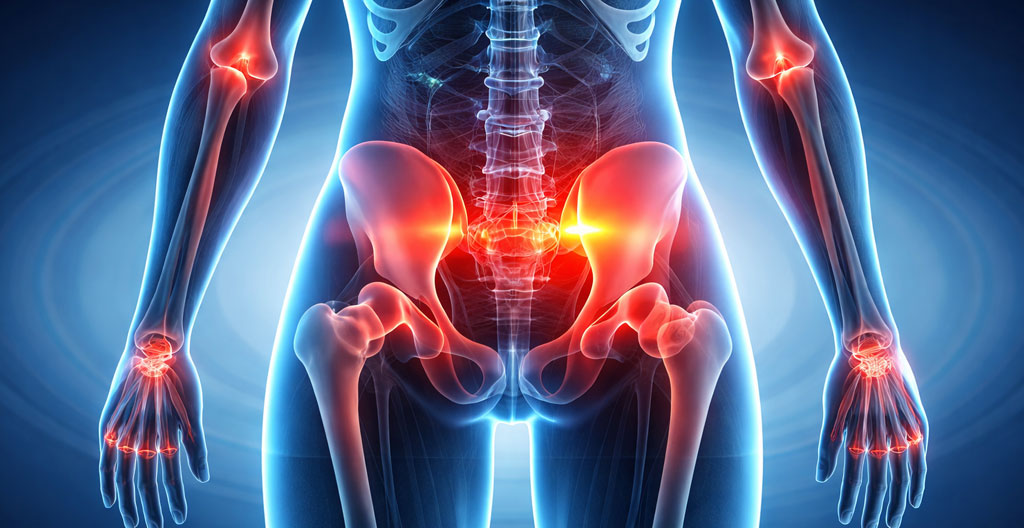
Hip Replacement Surgery, also known as Total Hip Arthroplasty, is a highly effective procedure designed to relieve chronic hip pain and restore function in patients with severe arthritis or joint damage. The damaged femoral head and acetabulum are replaced with durable artificial components made of metal, ceramic, and medical-grade polyethylene.
Our approach incorporates anterior, posterior, and minimally invasive techniques tailored to each patient’s anatomy. Using computer-assisted navigation and patient-specific instrumentation, we ensure precise implant positioning, leg length restoration, and long-term joint stability.
With modern implants offering improved durability, most patients experience dramatic pain relief, improved mobility, and a significant enhancement in overall quality of life.
Conditions Treated with Hip Replacement
-
Advanced Osteoarthritis
Severe degenerative arthritis causing cartilage loss, bone-on-bone contact, chronic pain, stiffness, and mobility limitation. -
Avascular Necrosis (Osteonecrosis)
Bone death due to disrupted blood supply leading to femoral head collapse and progressive joint destruction. -
Rheumatoid Arthritis
Autoimmune inflammatory arthritis causing progressive joint damage and deformity. -
Post-Traumatic Arthritis
Arthritis developing after fractures, dislocations, or labral injuries affecting joint mechanics. -
Hip Dysplasia & Congenital Disorders
Structural abnormalities causing early arthritis and requiring specialized reconstruction techniques.
Benefits of Modern Hip Replacement
-
Dramatic Pain Relief
Eliminates chronic hip pain and improves comfort during daily activities. -
Restored Mobility & Function
Improves walking ability and overall movement confidence. -
Long-Lasting Durability
Modern implants provide 90–95% survival at 15–20 years. -
Minimally Invasive Options
Muscle-preserving techniques reduce trauma and speed recovery. -
Improved Leg Length & Alignment
Restores normal biomechanics and corrects gait abnormalities. -
Enhanced Quality of Life
Enables return to social, recreational, and active lifestyles.
Recovery Guidelines & Precautions
-
Post-Operative Rehabilitation
- Begin physical therapy within 24 hours.
- Use assistive devices as directed.
- Perform prescribed strengthening and flexibility exercises.
- Gradually increase walking distance under supervision.
-
Activity Restrictions & Precautions
- Avoid high-impact activities for 3–6 months.
- Follow hip precautions for bending, twisting, and crossing legs.
- Use elevated seating and raised toilet seats.
- Avoid low chairs or soft couches during early recovery.