Advanced Joint Restoration
Knee Replacement

Overview
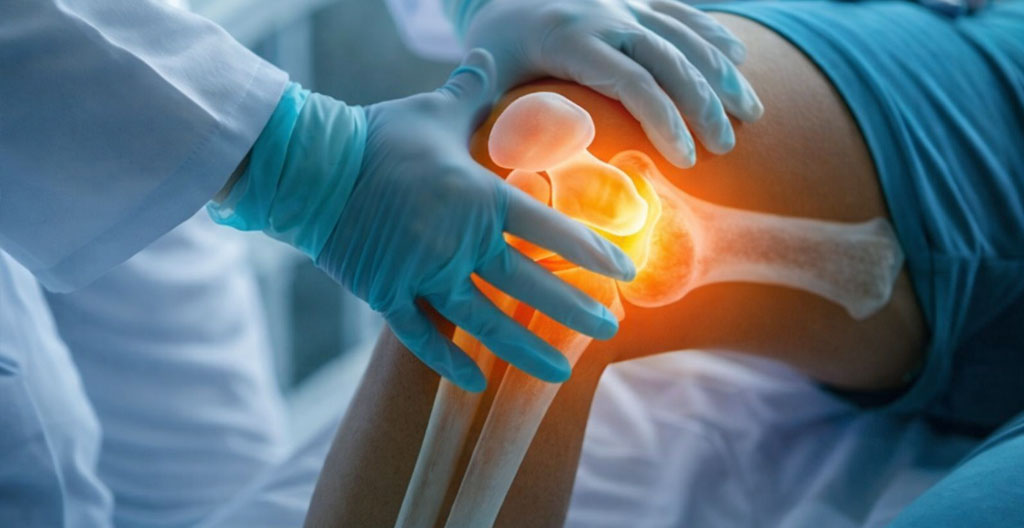
Knee Replacement Surgery, also known as Total Knee Arthroplasty, is a highly successful procedure that involves removing damaged cartilage and bone from the knee joint and replacing it with artificial components made of metal and medical-grade plastic. This surgical intervention is designed to eliminate severe arthritis pain, restore joint function, and significantly improve quality of life for patients who have exhausted conservative treatment options.
Our approach to knee replacement incorporates advanced surgical techniques, including minimally invasive approaches, computer navigation, and patient-specific instrumentation that allows for precise implant positioning and optimal alignment. We focus on preserving healthy tissues, ligaments, and bone while addressing the specific anatomical needs of each patient through customized implant selection and surgical planning.
With modern knee replacement technology, patients can expect dramatic pain relief, improved mobility, and the ability to return to daily activities with renewed confidence. Our comprehensive care extends from initial consultation through surgery and into a structured rehabilitation program designed to maximize recovery and ensure long-term success of the procedure.
Conditions Treated with Knee Replacement
-
Advanced Osteoarthritis
Severe wear-and-tear arthritis causing significant pain, stiffness, and loss of function that limits daily activities like walking, climbing stairs, and standing from seated positions. -
Rheumatoid Arthritis
Autoimmune inflammatory arthritis causing chronic joint inflammation, progressive cartilage destruction, and joint deformity affecting both knees symmetrically. -
Post-Traumatic Arthritis
Arthritis developing years after significant knee injuries such as fractures, ligament tears, or meniscus damage that alter joint mechanics and accelerate cartilage wear. -
Osteonecrosis
Death of bone tissue due to disrupted blood supply, typically affecting the femoral condyles, causing sudden onset pain and progressive joint collapse requiring replacement.
Benefits of Modern Knee Replacement
-
Precision Implant Placement
Accurate positioning of knee components ensures optimal joint mechanics, stability, and long-term implant survival. -
Pain Relief & Mobility Restoration
Eliminates arthritic pain and restores range of motion, allowing return to daily activities and improved quality of life. -
Customized Surgical Approach
Tailored surgical technique based on individual anatomy, deformity severity, and patient-specific requirements. -
Durable Joint Reconstruction
Modern implants and fixation methods provide lasting solutions with 90–95% survival rates at 15–20 years. -
Rapid Recovery Protocol
Enhanced recovery pathways enable quicker mobilization, shorter hospital stays, and faster return to independence. -
Improved Alignment & Stability
Restores normal leg alignment and joint stability, correcting deformities and improving gait pattern.
Recovery Guidelines & Precautions
-
Post-Operative Rehabilitation
- Begin physical therapy within 24 hours of surgery for optimal recovery
- Gradually increase walking distance and weight-bearing as directed
- Perform prescribed exercises to strengthen quadriceps and improve range of motion
- Use assistive devices (walker/crutches) until adequate strength and balance return
-
Activity Restrictions & Precautions
- Avoid high-impact activities (running, jumping) for 3–6 months.
- Limit kneeling and squatting during the initial recovery phase.
- Use caution with stairs and uneven surfaces until strength returns.
- Follow specific precautions for sitting, standing, and sleeping positions.